Liver Detox: What Actually Works (And What's Just Marketing)
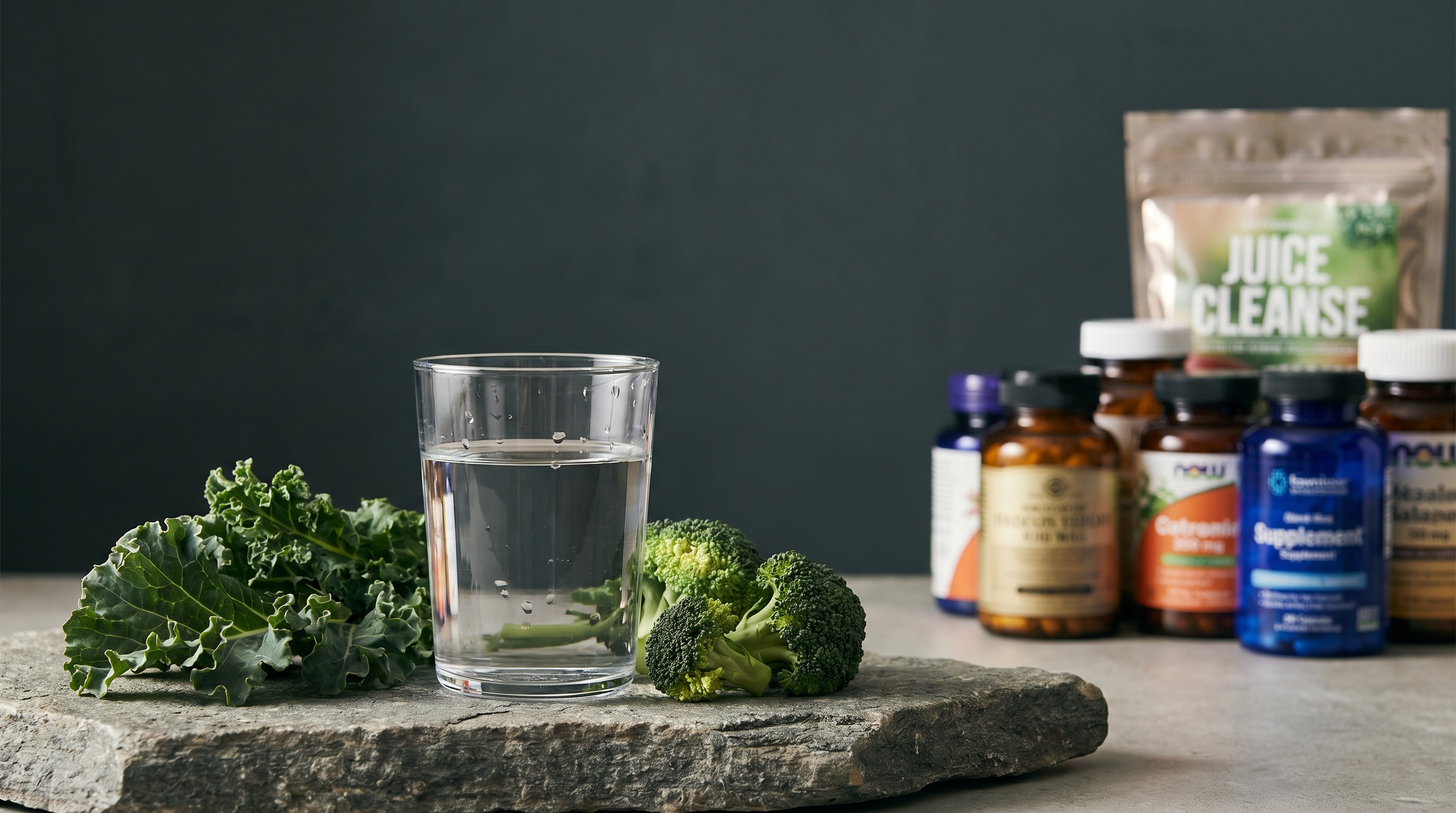
The Truth About Liver Detox (What No One Tells You)
Your liver is already one of the most sophisticated detox systems on the planet. Right now, it's filtering roughly 1.5 litres of blood every minute, breaking down toxins, metabolising nutrients, and keeping hundreds of biological processes running in the background — without you doing a thing.
So when you search "liver detox," the intent behind that search is completely valid. You want to feel better, support your health, and cut through the noise. The problem is that most products marketing themselves as a liver detox are built on branding, not biology.
This article covers what your liver actually does, what the evidence says genuinely supports it, and how to make smart choices — including what to look for if you're considering a supplement.
What Your Liver Actually Does (And Why It Doesn't Need a 'Cleanse')
The liver performs over 500 distinct functions, according to the British Liver Trust. That list includes filtering toxins from the bloodstream, metabolising fats, proteins, and carbohydrates, producing bile for digestion, regulating blood sugar, and storing vitamins and minerals for later use.
It is, by design, a self-maintaining organ. A healthy liver doesn't accumulate a backlog of toxins waiting to be "flushed out" — it processes and eliminates them continuously.
This is where the cleanse myth falls apart. No 3-day juice protocol, herbal tea, or weekend detox kit can reset or supercharge a functioning liver. The liver isn't a filter that clogs up and needs rinsing. The concept of "detoxing" your liver is a marketing construct, not a physiological one.
That said, this doesn't mean liver health is something you just ignore. It means the approach needs to shift — from short-term gimmicks to consistent, evidence-backed habits.
What Actually Supports Liver Health: Evidence-Based Inputs
This is where the real guidance lives. If you want to genuinely support your liver, the research points to a handful of consistent, practical inputs — and none of them come in a 7-day cleanse box.
For a broader overview of how these inputs fit together, our liver health guide covers the full picture.
What the evidence supports:
- Reducing alcohol intake. Alcohol is one of the most significant drivers of liver stress and long-term liver disease. Reducing intake is the single highest-impact change most people can make.
- Maintaining a healthy weight. Excess body fat — particularly visceral fat — is directly linked to non-alcoholic fatty liver disease. Weight management through diet and movement is protective.
- Specific foods. Cruciferous vegetables (broccoli, Brussels sprouts, kale) support detoxification enzyme activity. Garlic contains compounds shown to reduce liver fat markers. Coffee is one of the most studied liver-protective foods — a 2017 meta-analysis published in Alimentary Pharmacology & Therapeutics found regular coffee consumption was associated with up to a 40% reduction in liver fibrosis risk.
- Hydration. Adequate water intake supports bile production and the kidney-liver filtration partnership.
- Key nutrients and supplements. Milk thistle (standardised to silymarin), N-acetyl cysteine (NAC), and B vitamins all have evidence supporting liver metabolism and cellular protection.
For a deeper look at the dietary side, our article on best foods for liver health breaks down the most protective ingredients and how to incorporate them daily.
The Role of Daily Nutrition in Long-Term Liver Support
Here's the shift that matters most: liver health isn't built in a weekend. It's built over weeks and months of consistent nutritional inputs.
One of the most overlooked factors is micronutrient gaps. Most people don't consistently get adequate B vitamins, vitamin E, or zinc — all of which are directly involved in liver metabolism, oxidative stress management, and cellular repair. These aren't dramatic deficiencies you'd notice immediately. They're quiet shortfalls that compound over time.
The most practical way to close those gaps isn't a detox protocol — it's a reliable daily nutrition habit. If you're looking for a simple daily habit that supports your liver alongside a balanced diet, a high-quality daily multi-nutrient is worth considering as a foundational tool rather than a quick fix.
Vital All-In-One Daily Multi Nutrient was formulated specifically for this purpose: delivering the broad-spectrum micronutrients your body needs to support natural processes, including liver function, in a single daily serve.

Vital All-In-One Daily Multi Nutrient
Take your health to the next level with Vital All-In-One. This nutrient-dense daily supplement is packed with 78 natural ingredients. From greens and superfoods to probiotics, vitamins and minerals, i
$24.5
Shop NowHow to Choose a Liver Support Supplement (Without Getting Fooled)
The supplement market for liver health is noisy. Here's how to evaluate what's actually worth your money.
Look for:
- Clinically studied ingredients at effective doses. Milk thistle standardised to 70-80% silymarin is the benchmark. NAC and B-complex vitamins should appear at doses matching research protocols — not token amounts.
- Transparent labelling. Every ingredient and its dose should be clearly listed. No proprietary blends that hide how much of each ingredient is actually in the product.
- Realistic claims. Legitimate supplements support liver health. They don't "cleanse," "detox," or "reset" anything.
Avoid:
- Products leading with "detox" or "cleanse" language without ingredient specifics
- Unregulated herbal blends with vague sourcing
- Extreme short-term protocols promising rapid results
Supplements work best as part of a broader lifestyle approach. They're not a substitute for diet, alcohol reduction, or movement — they support what you're already doing. And if you have a known liver condition, it's always worth speaking with your GP before adding anything new.
For a more detailed breakdown of what's worth taking and what isn't, our guide to the best liver support supplements covers the evidence ingredient by ingredient.
When it comes to picking a brand you can trust to deliver on its ingredient claims, it's worth knowing how to choose a supplement brand you can actually trust — because third-party testing and label transparency matter more than marketing language.
Frequently Asked Questions About Liver Detox
Does liver detox actually work?
The concept of "detoxing" your liver is largely a marketing term, not a medical one. Your liver detoxifies your body continuously and doesn't require external cleansing protocols to function. However, supporting liver health through consistent nutrition, reduced alcohol intake, and targeted nutrients genuinely does work — it just looks nothing like a 3-day juice cleanse.
What is the best thing to take for liver detox?
The most evidence-backed supplements for liver health are milk thistle (standardised to 70-80% silymarin), N-acetyl cysteine (NAC), and B-complex vitamins. These support liver cell protection, glutathione production, and metabolic function respectively. No single supplement replaces lifestyle factors, but these three have the strongest research base for daily liver support.
How long does it take to detox your liver?
There's no defined "detox" timeline because the liver filters continuously. What you can influence is long-term liver health: studies show measurable improvements in liver enzyme markers within 4-12 weeks of sustained dietary changes, alcohol reduction, and consistent supplementation. Think months of habits, not days of cleansing.
Can you detox your liver naturally without supplements?
Yes. The most powerful inputs for liver health are lifestyle-based: reducing alcohol, maintaining a healthy weight, eating cruciferous vegetables and coffee regularly, staying hydrated, and managing blood sugar. Supplements can fill nutritional gaps and add additional support, but they're not required. A clean, consistent diet does more for liver health than any supplement protocol.